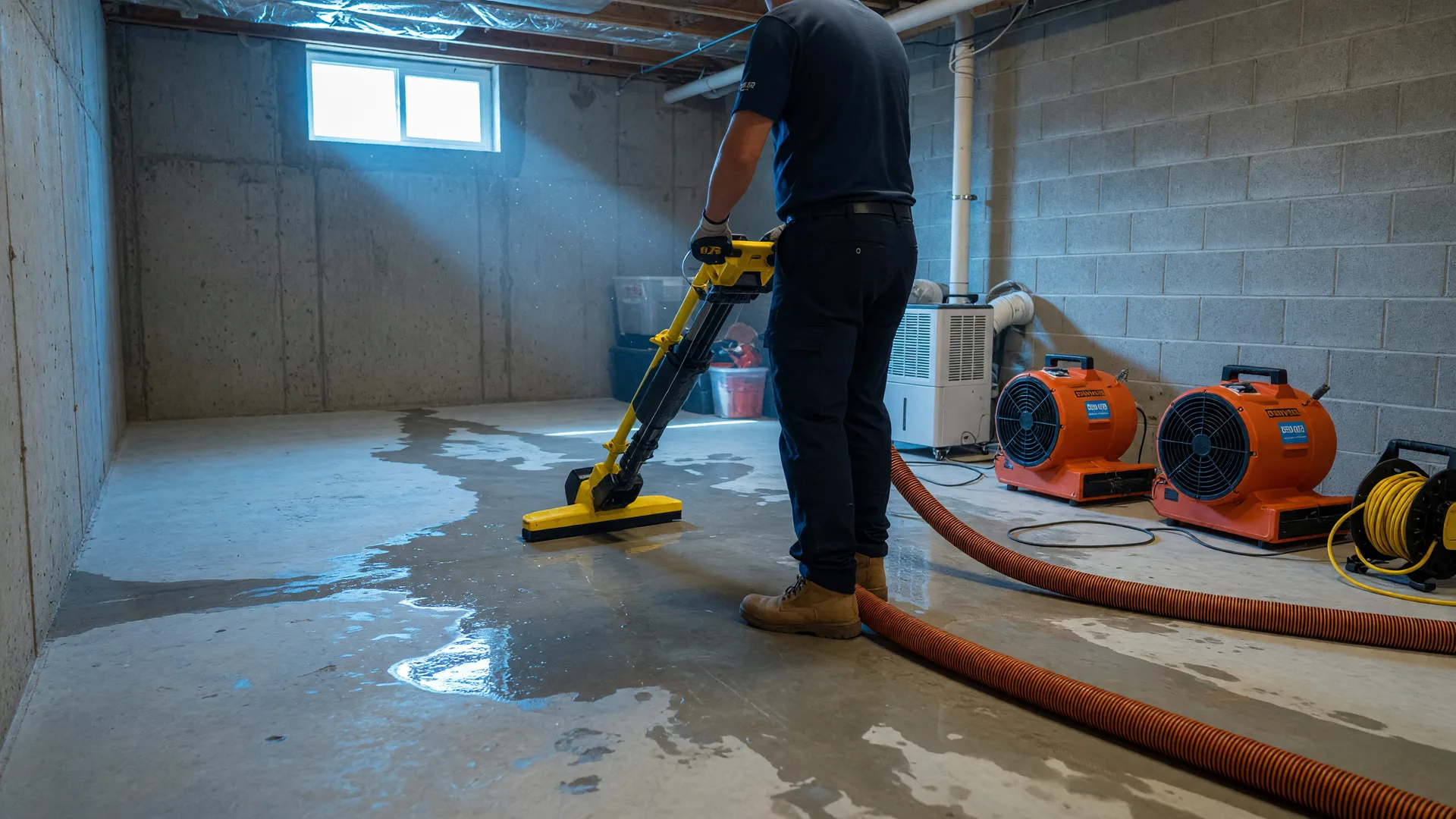
Emergency line open / 24/7 · Michigan · Georgia · Illinois
Emergency Water Damage Restoration When You Need It Most
Get connected with water damage restoration help for flooding, burst pipes, leaks, water extraction, structural drying, and other urgent property damage situations in verified service areas across the United States, including Michigan, Georgia, and Illinois.
- 24/7 Emergency Assistance
- Residential & Commercial
- Water Extraction
- Structural Drying
- Mold Remediation
Verified service areas
Find water damage restoration help near you
Call now: (248) 617-0738
Try "Atlanta", "Sterling Heights", "Michigan", or a ZIP code
- (678) 498-7182
- (678) 831-5802
- (708) 627-8670
Chicago Service area
Illinois area · Cook County
Local number listed below
- (734) 875-9301
- (313) 546-0892
- (248) 617-0738
- (586) 300-3569
- (248) 956-6517
- (734) 822-7929
- (248) 617-0738
- (586) 789-9312
Sterling Heights Service area
Michigan area · Oakland County, Macomb County, Wayne County
- (248) 243-4605
- (248) 453-7352
West Bloomfield Service area
Michigan area · Oakland County, Macomb County, Wayne County
Metro Water Damage Restoration serves homeowners, renters, landlords, property managers, and commercial property owners in its verified markets. Each market below shows the correct local emergency number. No result for your ZIP code means we don't currently list verified service there. Call the main line and we'll point you the right way.
Identify the situation
What type of water emergency are you dealing with?
Select the situation that matches yours. Each guide explains what to do first, what to watch for, and when to call a professional restoration crew.
Emergency water damage
Water damage can spread quickly. Know what to do next.
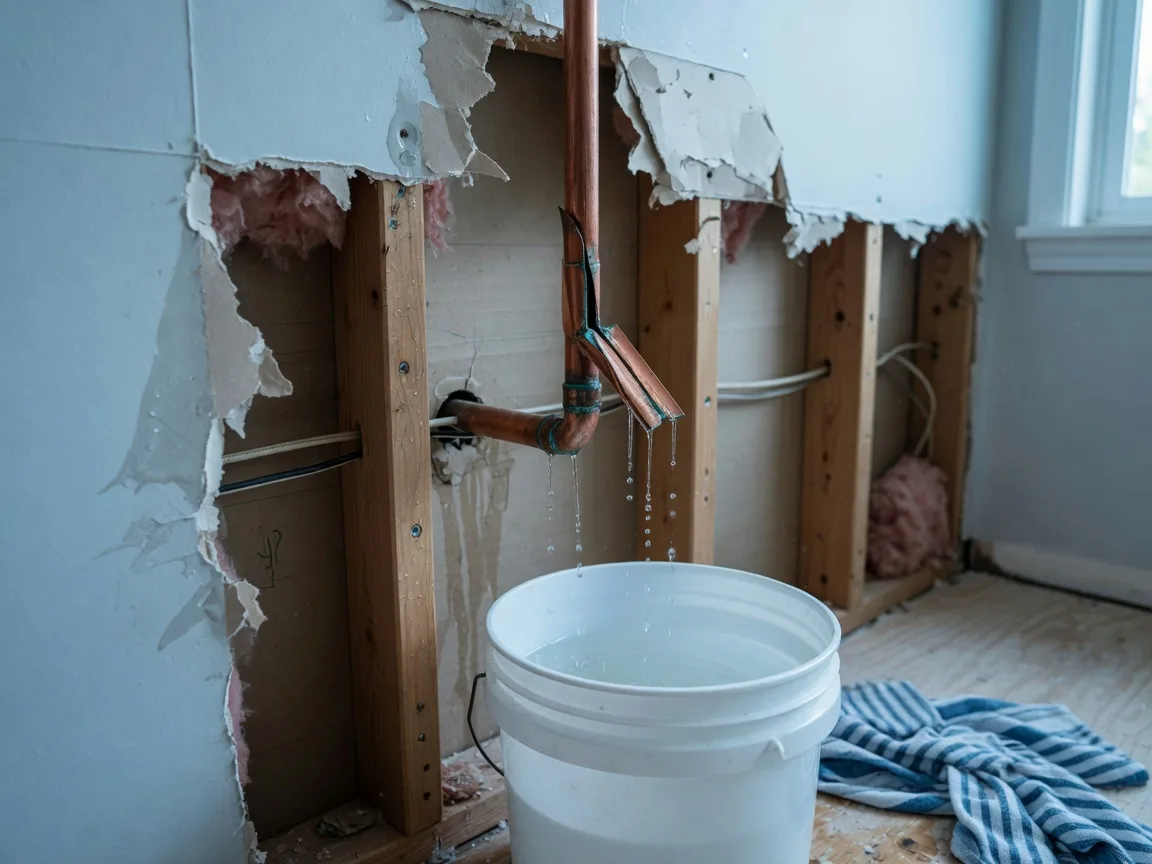
In the first hour after water damage, what you do matters as much as what you don't do. The steps below are safe for most situations and protect both your family and your property while professional help is on the way.
- 01
Stop the water if you safely can
For a burst pipe or failed supply line, shut off the main water valve or the appliance's shutoff if you can reach it safely. Never stand in water near electrical outlets, panels, or appliances.
- 02
Move valuables away from the water
Documents, electronics, furniture, and family items on the floor or in lower cabinets move to a dry, elevated spot. Every item saved early is one fewer thing to dry or replace.
- 03
Photograph the damage before clean-up
Take clear photos and notes of the affected rooms, water lines, and damage before anything is moved. These records support your claim and document the mitigation work.
- 04
Call a restoration professional now
The sooner extraction and drying begin, the better the outcome for walls, flooring, and framing. A restoration crew assesses the category of water, isolates the affected zone, and starts drying the same day.
-
Not sure what to do? Call us right now.
(248) 617-0738
Core services
Restoration services for every stage of water damage
Water Damage Restoration
Full restoration response: emergency water removal, drying, cleaning, and repair of water-affected materials.
Learn moreWater Extraction
Rapid removal of standing water from floors, basements, and flooded areas using professional extraction equipment.
Learn moreWater Mitigation
Immediate steps to stop further damage: containment, extraction, drying, and moisture monitoring.
Learn moreFlood Damage Restoration
Cleanup and restoration after flooding, including water removal, structural drying, and content care.
Learn moreStructural Drying
Air movers, dehumidifiers, and moisture monitoring to dry walls, floors, and framing to dry standard.
Learn moreFlooded Basement Cleanup
Pump-out, extraction, drying, and sanitation for flooded basements in homes and multifamily buildings.
Learn moreBurst Pipe Water Damage
Emergency response to burst supply lines, frozen pipes, and plumbing failures before damage spreads.
Learn moreMold Remediation
Removal and remediation of mold growth in water-affected homes and buildings, with moisture control.
Learn moreFire Damage Restoration
Soot cleanup, smoke odor removal, and restoration after fire damage, coordinated with water damage work.
Learn moreThe process
What happens after you call?
From your first call to the final walkthrough, here is the restoration workflow Metro uses for water damage jobs in its service areas.
- 01
Call for assistance
You reach a real person on the emergency line. We confirm the situation, your location, and what to do while the crew is on the way.
- 02
Assess the damage
The technician surveys the affected areas, identifies the water source and category, and maps where moisture has traveled.
- 03
Stop and extract the water
The source is stopped or contained, then standing water is removed quickly with professional extraction equipment.
- 04
Dry and dehumidify
Air movers and dehumidifiers are staged to dry structure and contents, with moisture levels tracked over the drying job.
- 05
Clean and address affected materials
Surfaces are cleaned and sanitized, and porous materials that cannot be dried are identified for removal and replacement.
- 06
Repair and restore
Once the property is dry, damaged materials are repaired or rebuilt so the space is safe and livable again.
Every job is different, but the response is always the same: fast, documented, and professional.
Start with a call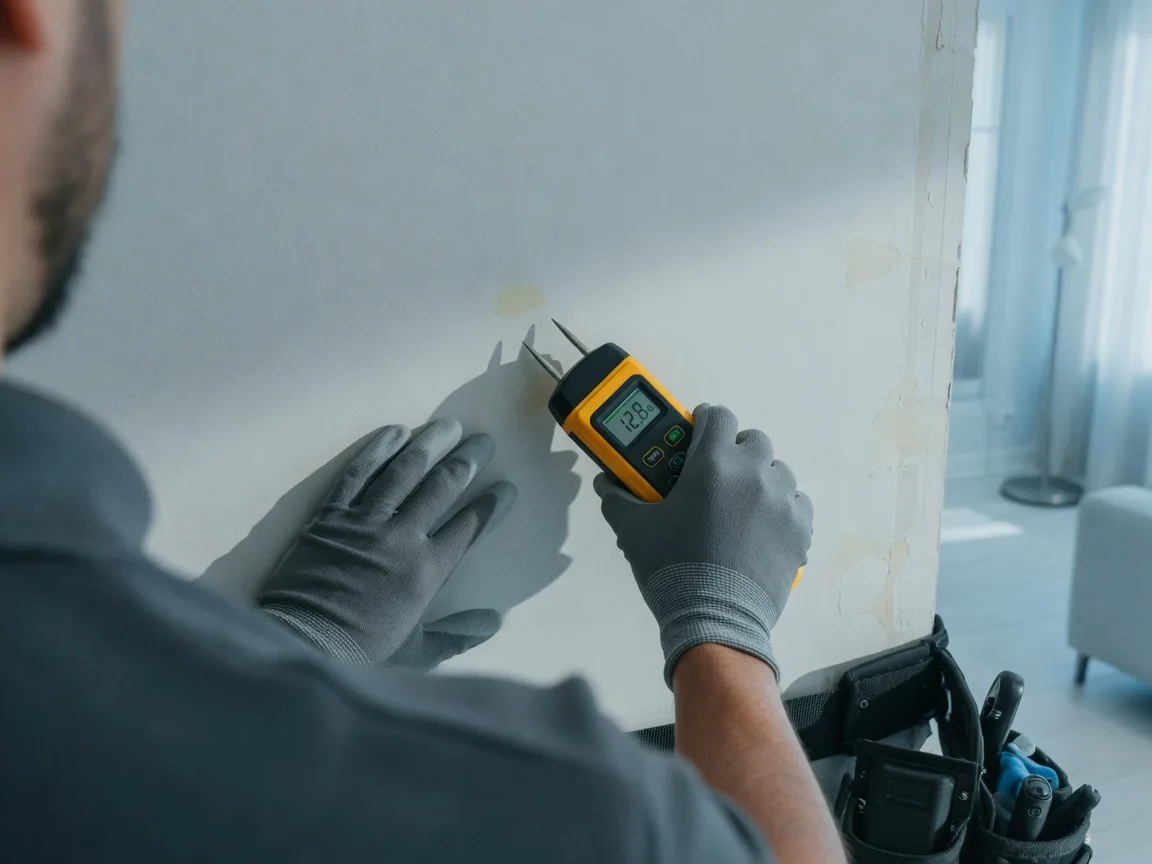
Moisture measurement is a core part of professional drying. Nobody can see water inside a wall, so restorers verify dryness with instruments, not guesses.
Why speed matters
Why fast action matters after water damage
Water does not stay where it lands. Within the first hours and days it travels through the building, into porous materials, and up into the air. Understanding what happens helps explain why professional drying begins the same day, not the next day.
-
Water migrates
Water wicks sideways and upward through walls, flooring, and joists well beyond the visible puddle.
-
Porous materials absorb
Drywall, insulation, carpet, and unsealed wood soak up moisture and hold it long after the surface looks dry.
-
Flooring reacts fast
Laminate buckles, engineered wood curls, and tile grout loosens as moisture pushes from below.
-
Humidity rises
Wet materials release vapor, raising indoor humidity and slowing the whole drying process.
-
Structural materials are at risk
Framing, subfloor, and OSB absorb moisture and can lose strength if left wet for days.
-
Microbial growth risk
Given time and moisture, mold and mildew can begin to develop on wet porous surfaces.
Who we help
Homes and businesses, one trusted response
Water damage does not discriminate between a finished basement and a corporate lobby. Metro responds to both, with the same speed, documentation, and attention to detail.
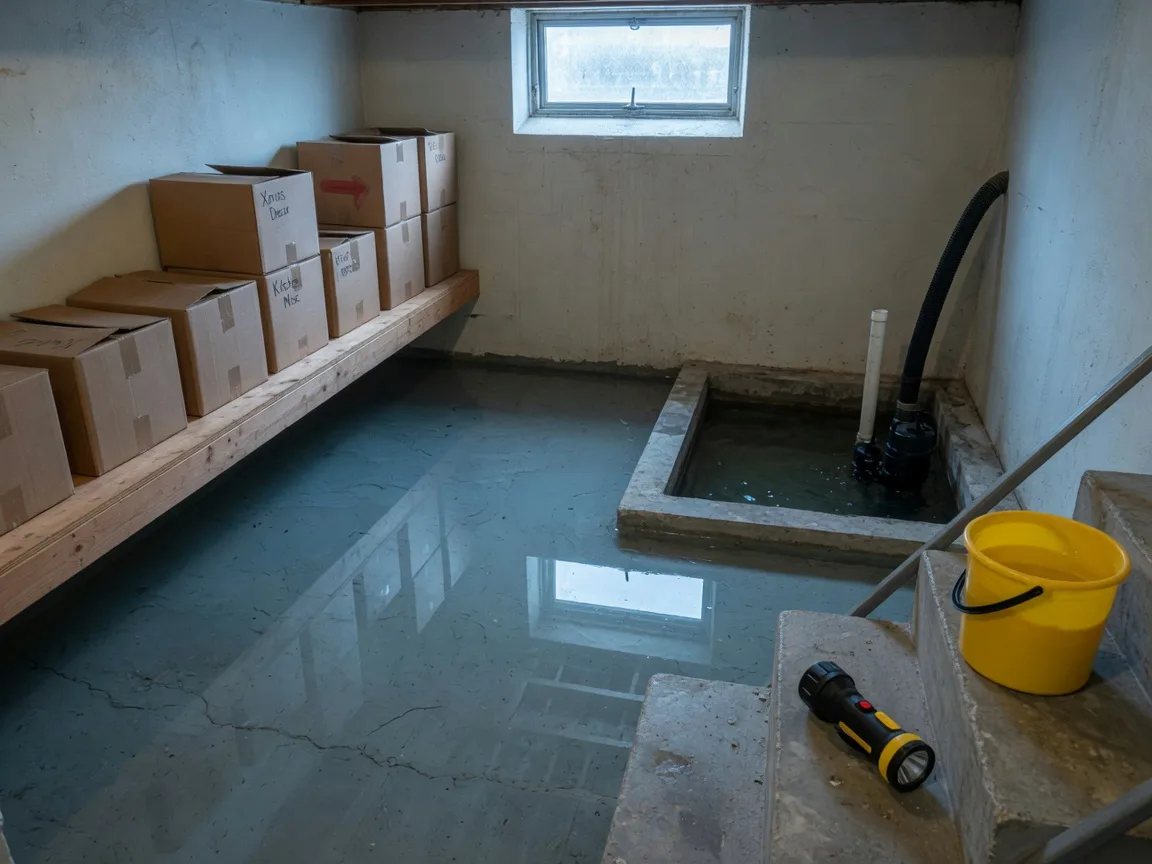
Homeowners
Basement floods, burst pipes, appliance leaks, and storm water in houses and multifamily buildings. A calm, fast response protects your home and your family's routine.
See how we help homes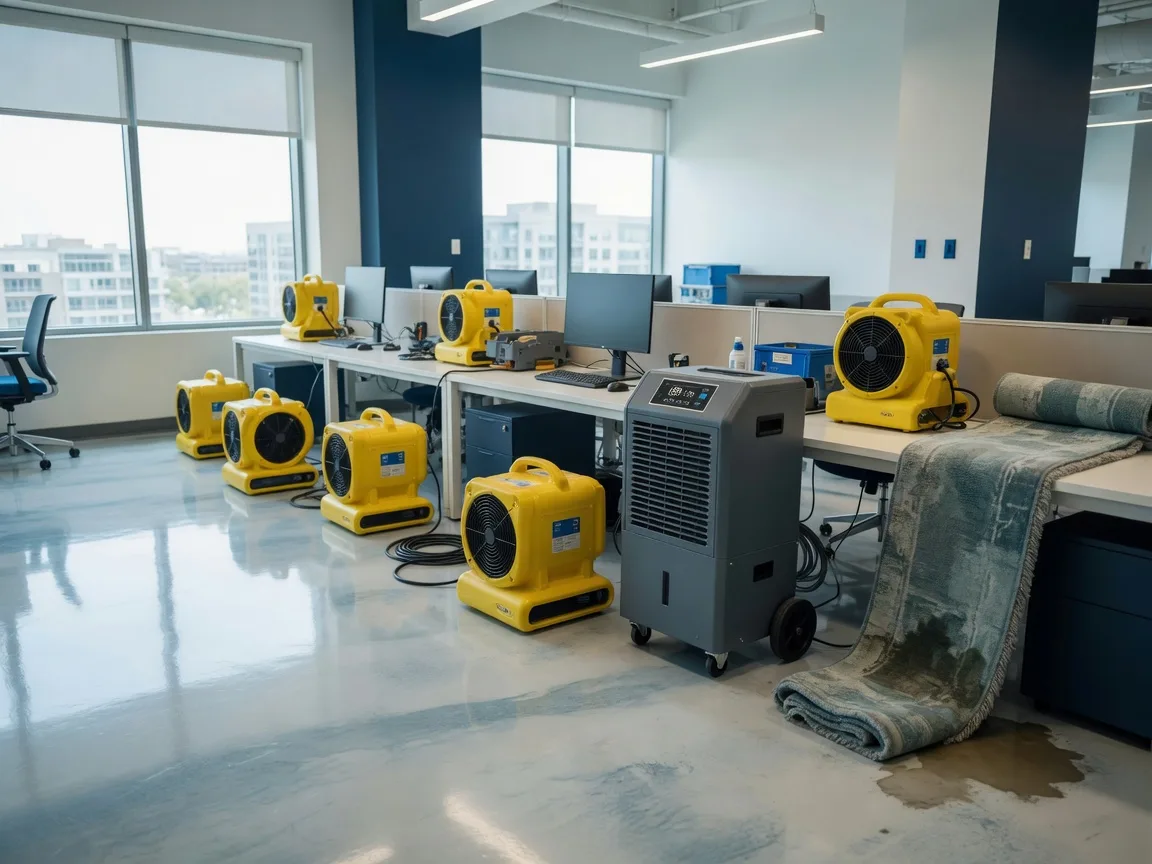
Commercial Property Owners & Managers
Offices, retail, restaurants, multifamily, and managed portfolios. Fast mitigation means less downtime, fewer displaced tenants, and a cleaner insurance record.
Commercial responseInsurance guidance
Dealing with water damage and insurance?
Coverage depends on your policy, the cause of loss, exclusions, and your carrier's determination. What every policyholder can do is document damage well and keep clear records of the mitigation work. Here is the neutral, practical guidance we give every customer.
Read the insurance guide-
Document everything
Photograph and video every affected room before any clean-up begins, and list damaged items with rough values.
-
Mitigate promptly
Most policies expect you to take reasonable steps to prevent further damage. Emergency extraction and drying protect your claim.
-
Contact your carrier
Report the loss as soon as practical. Your adjuster can confirm what your specific policy covers.
-
Keep the records
Save drying logs, invoices, and receipts. Restoration documentation is evidence your carrier will want.
Verified coverage
A national brand with local numbers that really connect
Metro publishes a verified local emergency number for every market it serves. What you see below is the actual response footprint, nothing more.
Office + service areas
Michigan
Oakland, Macomb, and Wayne counties. Rochester Hills, Sterling Heights, Troy, Dearborn, Novi, Plymouth, Macomb, West Bloomfield, Ann Arbor, and Grand Rapids.
(248) 617-0738
Office + service areas
Georgia
Fulton and Cobb counties. Atlanta and Roswell.
(678) 498-7182
Service area
Illinois
Cook County. Chicago and surrounding communities.
(708) 627-8670
About Metro
The first call after water damage should reach someone who answers, understands, and knows exactly what to do next.
Phil Kim leads Metro Water Damage Restoration and built the company around one principle: when water enters a home, the first call should reach someone who answers, understands the situation, and knows exactly what to do next.
Principal, Metro Water Damage Restoration
More about MetroResource center
Understand water damage before it happens again
Signs of Hidden Water Damage
What to look for after a leak or flood, from stains and spongy drywall to musty smells.
Read articleHow Quickly Can Mold Develop?
The moisture-mold timeline and why fast drying is your best prevention.
Read articleFrozen Pipes: Prevention and Response
How pipes freeze in Michigan and Georgia winters and what to do when one bursts.
Read articleStraight answers
Water damage questions, answered directly
The direct answer comes first in each of these. If your situation is urgent, skip ahead: call the emergency line and a restoration specialist will walk you through it.
What should I do immediately after water damage?
Address safety first. If water is near electrical outlets, panels, or appliances, stay clear and call 911 if there is any risk. Stop the water source if you can do it safely, move valuables to a dry place, photograph the visible damage, and call a qualified water damage restoration provider as soon as possible. Time matters: the faster extraction and drying begin, the more material can be saved.
Who should I call for water damage?
Call a professional water damage restoration company. Restoration providers have the extraction, drying, and detection equipment that homeowners and general contractors do not, and they document the work for your insurance claim. Metro Water Damage Restoration operates a 24/7 emergency line at (248) 617-0738 for its verified service areas.
How quickly should water damage be addressed?
As quickly as possible, ideally the same day it happens. Water spreads into porous materials and raises humidity within hours, which makes drying slower and increases the chance that materials like drywall, carpet, and hardwood will need to be replaced rather than saved.
What is water mitigation?
Water mitigation is the immediate emergency response that stops further damage: stopping or containing the source, removing standing water, extracting moisture from materials, drying the structure, and monitoring moisture levels. It is the first phase of the restoration process and the most time-sensitive one.
What is the difference between water mitigation and restoration?
Mitigation protects the property from further damage and includes water removal and structural drying. Restoration returns the property to its pre-loss condition, which can include cleaning, repairing, and rebuilding damaged areas. Most water damage jobs include both phases.
How is standing water removed?
Standing water is removed with professional extraction equipment such as submersible pumps and truck-mounted or portable extractors. The crew removes the bulk water first, then follows with extraction wands over carpets and flooring before structural drying begins.
How long does structural drying take?
A typical structural drying job takes between three and five days, but the exact timeline depends on the extent of saturation, the materials involved, and the category of water. Technicians monitor moisture levels daily and confirm the structure has reached a dry standard before drying equipment is removed.
Can water damage lead to mold?
Yes. Given enough moisture and time, mold and mildew can develop on wet porous surfaces. That is why restoration professionals dry structures quickly and thoroughly, and why professional mold remediation may be needed when growth has already begun.
What should I do after a pipe bursts?
Shut off the main water valve immediately, then shut off power to the affected zone if it is safe to do so and the area is not flooded. Move valuables out, photograph the damage, and call a restoration company. A burst pipe releases a large volume of water quickly, so fast extraction and drying are critical.
What should I do if my basement floods?
Stay out of the water if it could be contaminated or near electrical sources. If the flood is from clean supply water, shut off the source, protect stored items, and document the damage. For sewage backups or floodwater from outside, treat the water as contaminated and keep people and pets clear until a professional assesses it.
Should I call insurance before a restoration company?
You can do both right away. Many carriers require that you mitigate further damage promptly, so starting emergency water removal protects both the property and your claim. Document everything and keep receipts and drying records, because your carrier will ask for them.
Does homeowners insurance cover water damage?
Coverage depends on your specific policy, the cause of loss, exclusions, and your carrier's determination. Sudden and accidental water damage such as a burst pipe or appliance leak is often covered, while flooding from outside the home and gradual damage or neglect are typically not. Check with your carrier and adjuster for your situation.
Can wet drywall be saved?
Sometimes. If the drywall is dry within a few days and the water was clean, it may be able to be dried and repaired. The longer drywall stays wet, or if it is exposed to contaminated water, the more likely it will need to be removed and replaced. A technician can measure the moisture content and give you a factual answer.
Can hardwood floors be dried after water damage?
Hardwood can sometimes be dried and saved if it is caught quickly and the drying is managed carefully. Planed and dried floorboards can cup, buckle, or separate if moisture is not removed evenly. A restoration technician will measure moisture in the boards and subfloor and decide what can be saved.
What equipment is used to dry a house?
Restoration crews use submersible pumps and extractors to remove water, high-velocity air movers to circulate air across wet surfaces, and commercial dehumidifiers to pull moisture from the air. Technicians track progress with moisture meters, hygrometers, and thermal imaging cameras.
How do professionals detect hidden moisture?
Technicians use pin and pinless moisture meters to measure moisture in drywall, wood, and concrete, and thermal imaging cameras to spot cooler, damp zones behind walls and under floors. These tools find moisture that is invisible to the eye, which is why professional drying jobs include daily verification.
What is Category 1, Category 2, and Category 3 water?
These are the three categories of water damage used in the restoration industry. Category 1 is clean water from a sanitary source such as a supply line or appliance. Category 2 is water with significant contamination, such as from a dishwasher or washing machine overflow. Category 3 is grossly contaminated water, including sewage backups and floodwater. The category determines the safety steps and which materials can be dried rather than removed.
Can I stay in my home during water damage restoration?
It depends on the extent of the damage, the category of water, and the drying setup. In many clean-water jobs the home remains livable, though rooms with heavy drying equipment are noisier. For contaminated water or major structural drying, your technician will advise whether you should stay or arrange temporary accommodation.
How do I find emergency water damage restoration near me?
Search for water damage restoration in your city or use the service-area finder on this page. Metro Water Damage Restoration publishes verified local numbers for its markets in Michigan, Georgia, and Illinois, so you speak with a number that is confirmed for your area instead of a generic call center.
Emergency assistance
Water damage doesn't wait.
If you're dealing with active or recent water damage, call now to find out what restoration help is available in your area.
(248) 617-0738 / 24/7 emergency assistance