Restoration service · 24/7 emergency response
Mold Remediation
Mold remediation is the professional removal of mold growth from a property, using containment, proper removal methods, and moisture control so the problem does not return. Mold develops where water has been given time to linger. If you see mold growth or smell a musty odor after water damage, call now for an assessment.
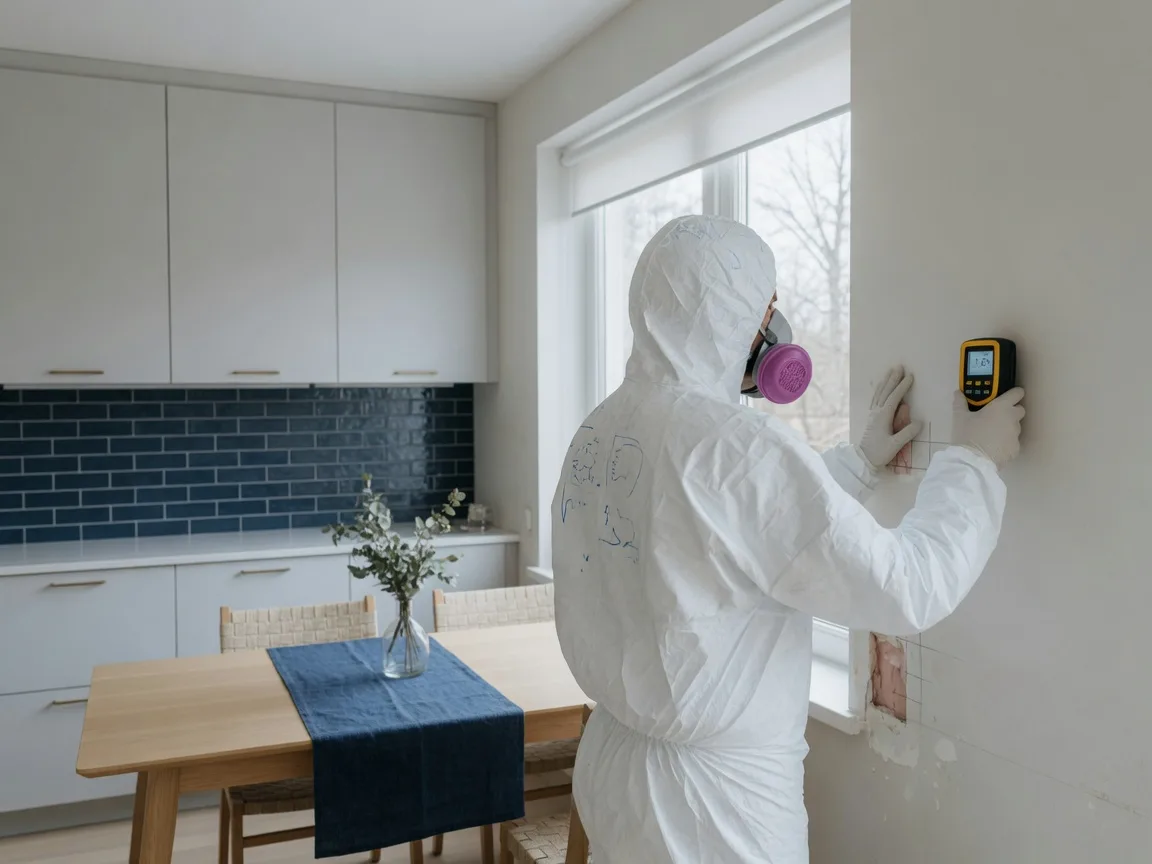
What this service involves
The only lasting fix is removing the moisture problem
Mold needs three things: moisture, a food source such as wood, drywall, or dust, and time. Water damage creates all three conditions, which is why mold is the most common secondary problem after leaks and floods. Remediating the mold without fixing the underlying moisture is a short-term fix at best.
Metro's mold response starts with finding the source of moisture, then setting up containment so spores do not spread to the rest of the property while the affected materials are removed and the area is treated. The job ends with moisture control and verification that the area is dry, clean, and ready for repair.
- Mold growth assessment and source finding
- Containment to protect the rest of the property
- Removal of mold-affected materials
- Cleaning and treatment of affected surfaces
- Moisture control to prevent a return
What a professional mold remediation job includes
Mold assessment
The extent of growth and the moisture source are identified before work begins.
Containment
The work area is contained so spores do not spread to clean zones.
Material removal
Mold-damaged drywall, insulation, and other porous materials are removed.
Cleaning and treatment
Surfaces are cleaned and treated to remove residual mold and spores.
Moisture control
The underlying dampness is dried and the source addressed so mold cannot return.
The process
How mold remediation works at Metro
From the first call to the final check, every job follows the same disciplined sequence.
- 01
Inspect and test approach
The technician documents the growth and finds the moisture source feeding it.
- 02
Contain the area
Barriers and negative air pressure isolate the work zone from the home.
- 03
Remove and clean
Affected materials are removed and surfaces are cleaned and treated.
- 04
Verify and control moisture
The area is confirmed clean and dry, and the moisture problem is resolved.
When to call
When should you call about mold remediation?
Call for mold remediation when you see visible growth, smell a persistent musty odor, or have recently dried out a water-damaged area where mold may be developing. The sooner it is assessed, the smaller the scope of removal.
(248) 617-0738- You can see mold growing on walls, ceilings, or floors
- A musty smell lingers in a room that was wet
- Water damage was dried slowly or only partially
- Someone in the home is reacting to a damp room
Straight answers
Mold Remediation questions, answered directly
How quickly can mold develop after water damage?
Given enough moisture and the right conditions, mold can begin to develop on wet porous materials in as little as one to two days. That is why fast drying is the best prevention, and why wet materials should not sit untreated while you wait.
Is all mold dangerous?
Mold is a natural part of the environment, but indoor growth can trigger allergic reactions and respiratory symptoms in sensitive people, and extensive growth damages the materials it feeds on. Professional removal is recommended when growth is visible or widespread.
Can I just paint over mold?
No. Painting over active mold growth hides the problem and does not remove it, and the growth can continue behind the paint. Mold must be removed and the underlying moisture problem fixed for the remediation to last.
Emergency assistance
Need mold remediation help right now?
Active water damage moves fast. One call connects you with the restoration response available in your area.
(248) 617-0738 / 24/7 emergency assistance